Available Dates & Venues
Classroom Schedule
| Date | Venue | Format | Fees | Registration |
|---|---|---|---|---|
| August 1, 2026 - August 6, 2026 | Saudi Arabia - Dammam | Classroom | USD 0.00 | Registration closed |
Introduction
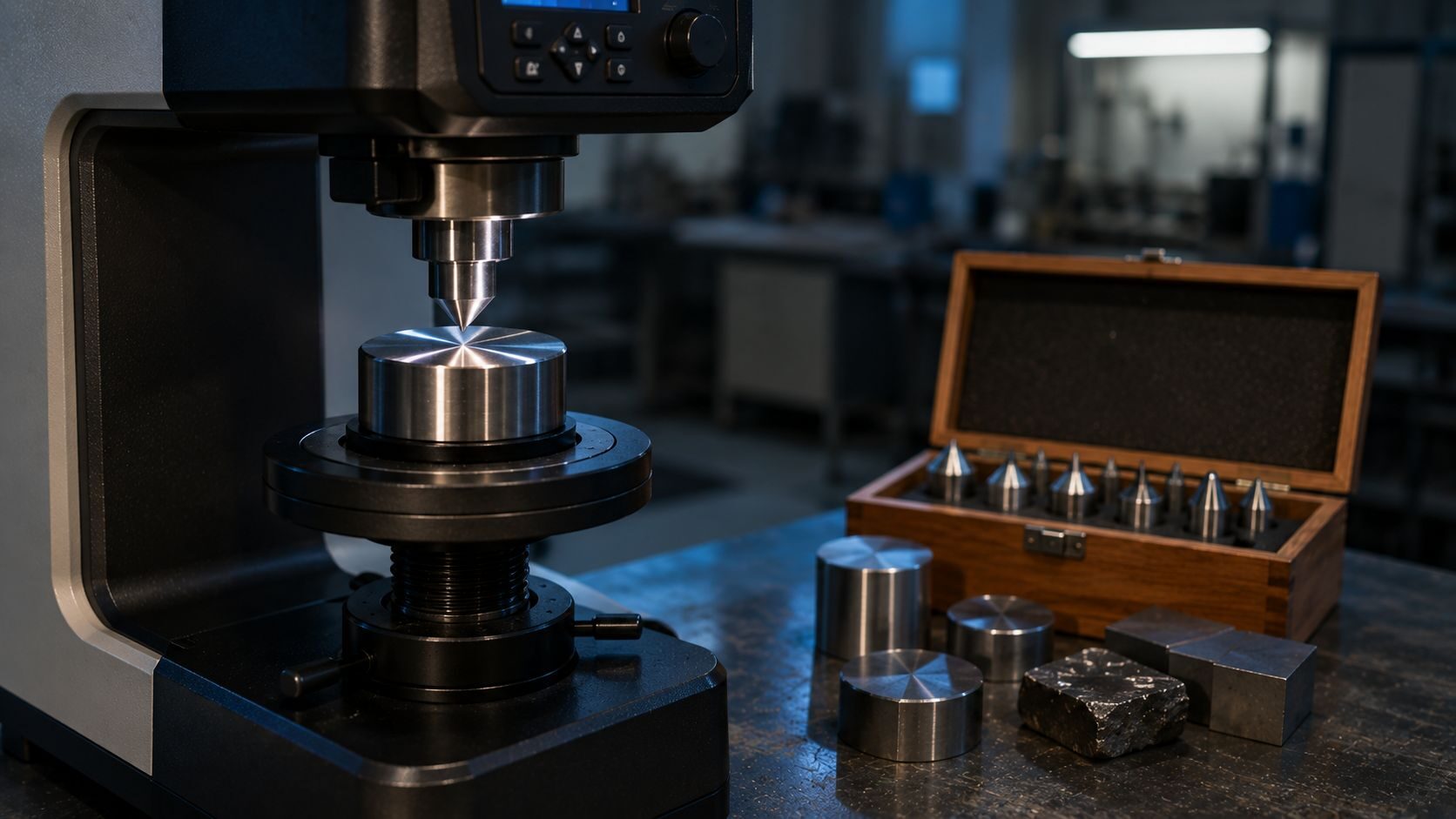
Hardness Testing is a fundamental material evaluation method used to determine a material’s resistance to deformation, wear, and indentation. It is widely used in Oil & Gas, Petrochemical, Power Generation, Manufacturing, Fabrication, Marine, and Structural Engineering to verify material properties, assess heat treatment effectiveness, and ensure compliance with engineering specifications.
Hardness Testing is essential for weld inspection, material verification, in‑service component assessment, and failure analysis. Common hardness methods include Brinell (HB), Rockwell (HRC/HRB), Vickers (HV), and Portable Hardness Testing using devices such as Leeb, UCI, and rebound testers.
This GTMCS Hardness Testing program provides comprehensive training in hardness principles, equipment operation, indentation measurement, conversion charts, and compliance with international standards such as ASTM E10, ASTM E18, ASTM E92, ISO 6506, ISO 6507, ISO 6508, and API specifications.
This training course will highlight:
- Hardness principles, indentation mechanics & material behavior
- Brinell, Rockwell, Vickers & portable hardness methods
- Equipment setup, calibration & measurement techniques
- Weld hardness testing & heat‑affected zone evaluation
- Acceptance criteria from global standards
Course Benefits
- Gain competency in multiple hardness testing methods
- Measure hardness accurately using standard procedures
- Apply acceptance criteria from ASTM, ISO, API
- Verify heat treatment & material properties
- Strengthen QA/QC & material verification programs
- Support welding, fabrication & in‑service inspection
Tools & Technologies Covered
- Brinell hardness testers (HB)
- Rockwell hardness testers (HRC/HRB)
- Vickers microhardness testers (HV)
- Portable hardness testers (Leeb, UCI)
- Hardness conversion charts & digital reporting
Practical Workshops
- Brinell indentation & measurement practice
- Rockwell scale selection & testing exercises
- Vickers microhardness indentation & reading
- Portable hardness testing on real components
- Hardness reporting & acceptance criteria simulation
Real‑World Case Studies
- Pipeline & pressure vessel hardness verification
- Weld hardness & HAZ evaluation
- Heat treatment validation in fabrication
- Casting & forging hardness assessment
- In‑service hardness checks during shutdowns
Industry Relevance
This course is essential for:
- Oil & Gas & Petrochemical inspectors
- Welding inspectors & QA/QC teams
- Mechanical, civil & structural inspectors
- Fabrication & manufacturing workshops
- Asset integrity & material verification teams
Future Skills Alignment
- Material property evaluation competency
- Heat treatment & metallurgical understanding
- Digital hardness testing & data interpretation
- Technical reporting & documentation
- Foundation for advanced metallurgical testing
Objectives
By the end of this training course, participants will be able to:
- Perform hardness tests using Brinell, Rockwell & Vickers
- Use portable hardness testers correctly
- Interpret hardness values & convert between scales
- Apply acceptance criteria from ASTM, ISO, API
- Prepare accurate hardness inspection reports
- Support QA/QC & material verification programs
Training Methodology
- Instructor‑led technical demonstrations
- Hands‑on testing with real components
- Case study analysis
- Scenario‑based defect evaluation
- Daily quizzes & certification preparation
Organisational Impact
- Improved material verification accuracy
- Reduced risk of material failure
- Enhanced compliance with global standards
- Stronger asset integrity & reliability
- Better documentation & traceability
Personal Impact
- Higher technical confidence in hardness testing
- Improved measurement & interpretation skills
- Stronger understanding of material behavior
- Career advancement in NDT & QA/QC roles
- Eligibility for hardness‑related certifications
Who Should Attend?
- NDT technicians & QA/QC inspectors
- Welding inspectors & fabrication supervisors
- Mechanical, civil & structural inspectors
- Material engineers & metallurgists
- Anyone responsible for material verification
Certificates
Upon successful completion, participants receive a GTMCS Certificate of Completion.
Curriculum
- 5 Sections
- 20 Lessons
- 10 Weeks
- Day 1 – Fundamentals of Hardness Testing4
- Day 2 – Brinell, Rockwell & Vickers Methods4
- Day 3 – Portable Hardness Testing4
- Day 4 – Hardness Evaluation & Acceptance Criteria4
- Day 5 – Certification Preparation & Final Assessment4