Available Dates & Venues
No dates are currently available for this course.
Introduction
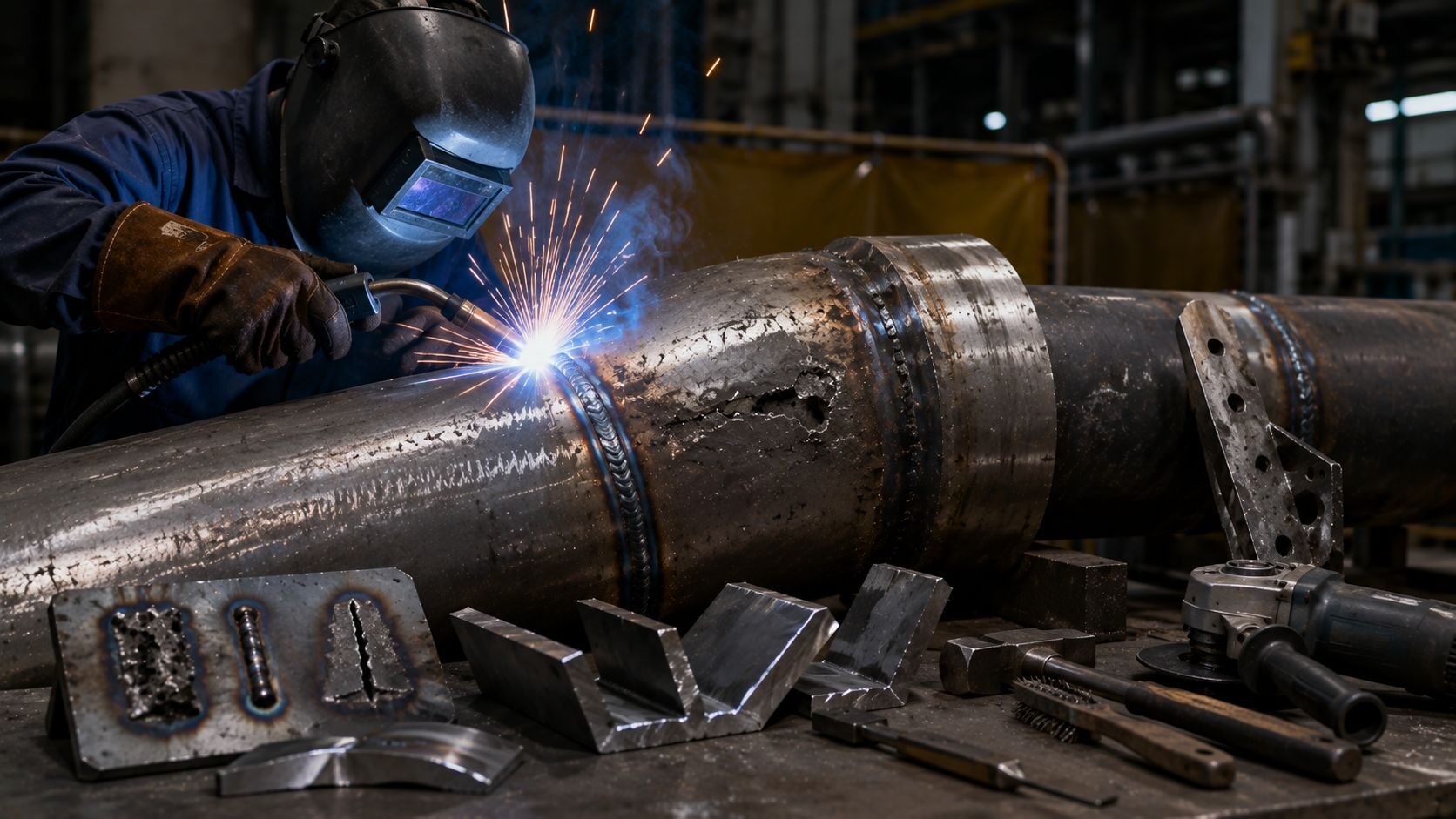
Welding defects, distortion, and improper repair procedures are among the leading causes of fabrication delays, NCRs, rework, and structural failures in Oil & Gas, Petrochemical, Power, Marine, and Construction projects. Effective control of welding quality requires deep understanding of defect mechanisms, distortion behavior, and code‑compliant repair techniques.
This GTMCS Welding Defects, Distortion Control & Repair Procedures program provides a complete, practical, and standards‑aligned pathway for welding inspectors, QA/QC engineers, supervisors, and fabrication teams. The course covers defect identification, root cause analysis, distortion prediction, heat input control, repair welding, and compliance with AWS D1.1, ASME IX, API 1104, and ISO standards.
This training course will highlight:
- Weld defect types, causes & prevention
- Distortion mechanisms & control techniques
- Heat input, residual stress & weld sequencing
- Repair welding procedures & acceptance criteria
- Code requirements for defect evaluation
Course Benefits
- Identify weld defects with high accuracy
- Apply distortion control techniques effectively
- Develop code‑compliant repair procedures
- Reduce rework, NCRs & welding failures
- Strengthen QA/QC & fabrication quality
- Improve welding productivity & consistency
Tools & Technologies Covered
- Weld gauges & inspection tools
- Heat input calculators & welding parameters
- Distortion control fixtures & clamps
- Repair welding consumables & techniques
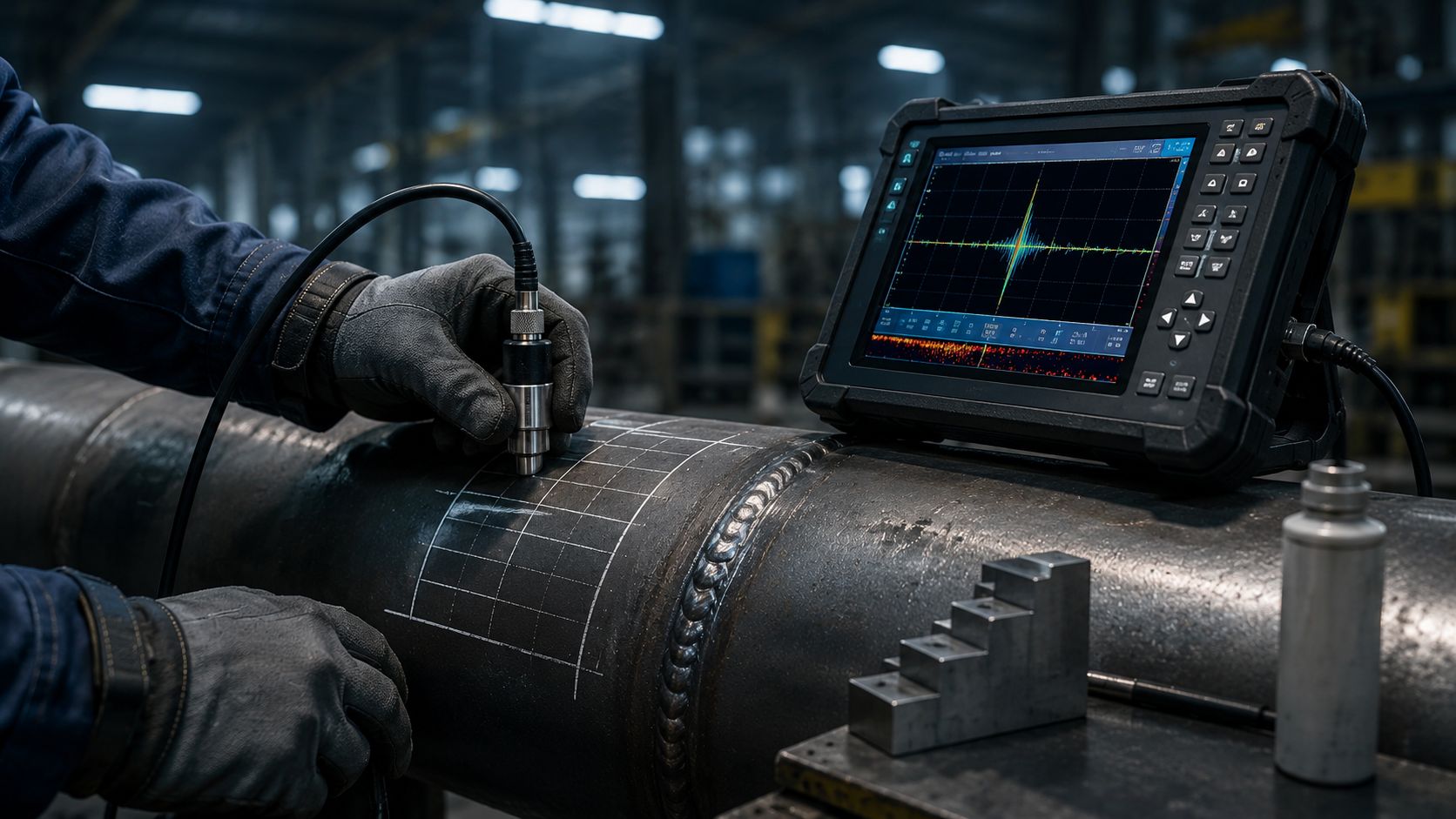
- NDT methods for defect verification
Practical Workshops
- Weld defect identification & classification
- Distortion measurement & control exercises
- Heat input calculation & control practice
- Repair welding simulation
- Acceptance criteria evaluation
Real‑World Case Studies
- Pipeline weld defect investigation
- Pressure vessel distortion & repair
- Structural steel weld cracking
- Offshore repair welding challenges
- Shutdown/turnaround defect management
Industry Relevance
This course is essential for:
- Welding inspectors & QA/QC engineers
- Fabrication & workshop supervisors
- Pipeline, pressure vessel & structural teams
- Mechanical & integrity engineers
- Anyone involved in weld repair or defect evaluation
Future Skills Alignment
- Advanced defect analysis & prevention
- Residual stress & heat treatment understanding
- Digital QA/QC & repair documentation
- Weld sequencing & distortion modeling
- Foundation for CSWIP/AWS/API advanced certifications
Objectives
By the end of this training course, participants will be able to:
- Identify weld defects & determine root causes
- Apply distortion control & prevention techniques
- Develop & execute repair welding procedures
- Apply acceptance criteria from AWS/ASME/API
- Prepare defect evaluation & repair reports
- Support QA/QC & fabrication quality programs
Training Methodology
- Instructor‑led defect analysis sessions
- Hands‑on distortion control practice
- Case study analysis
- Scenario‑based repair evaluation
- Daily quizzes & certification preparation
Organisational Impact
- Reduced weld repairs & rework
- Improved welding quality & reliability
- Enhanced compliance with global standards
- Stronger asset integrity & lifecycle performance
- Better documentation & traceability
Personal Impact
- Higher confidence in defect evaluation
- Improved repair welding decision‑making
- Stronger understanding of distortion behavior
- Career advancement in QA/QC & welding roles
- Eligibility for advanced welding certifications
Who Should Attend?
- Welding inspectors & QA/QC staff
- Fabrication & workshop supervisors
- Pipeline, pressure vessel & structural inspectors
- Integrity & reliability engineers
- Anyone involved in weld repair or defect control
Certificates
Upon successful completion, participants receive a GTMCS Certificate of Completion.
Curriculum
- 5 Sections
- 20 Lessons
- 10 Weeks
- Day 1 – Welding Defects4
- Day 2 – Distortion & Residual Stress4
- Day 3 – Repair Welding4
- Day 4 – Acceptance Criteria & NDT4
- Day 5 – Final Assessment4