Available Dates & Venues
Classroom Schedule
| Date | Venue | Format | Fees | Registration |
|---|---|---|---|---|
| August 1, 2026 - August 6, 2026 | Saudi Arabia - Dammam | Classroom | USD 0.00 | Registration closed |
Introduction
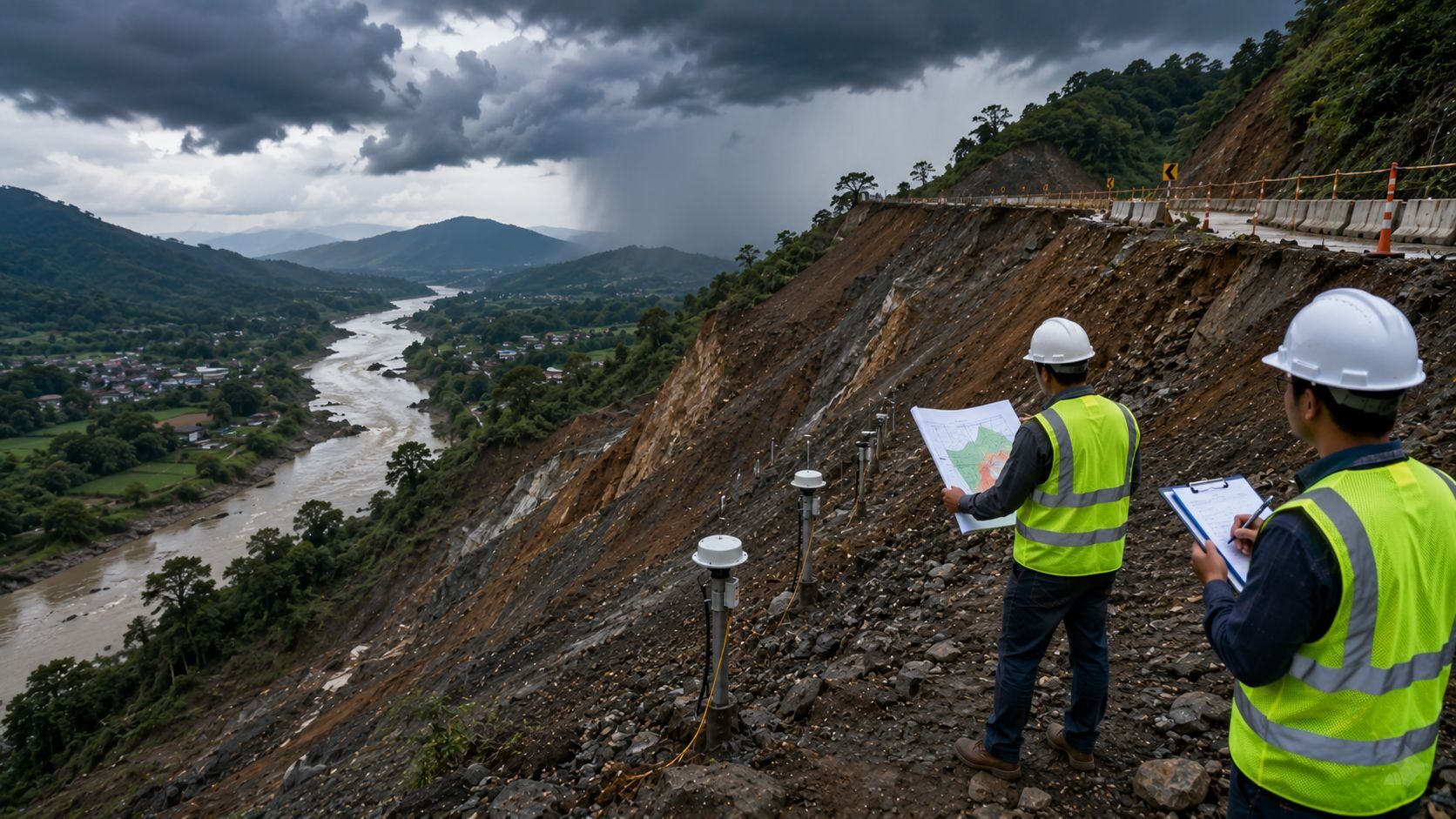
Geotechnical Risk Assessment provides a structured approach to identifying, analyzing, and managing risks associated with soil conditions, foundations, slopes, groundwater, and geohazards. Many infrastructure failures — such as landslides, excessive settlement, liquefaction, and bearing capacity collapse — occur due to inadequate understanding and management of geotechnical risks.
This GTMCS Geotechnical Risk Assessment program delivers a complete, standards‑aligned pathway covering hazard identification, probability and consequence evaluation, risk matrices, mitigation strategies, and monitoring in accordance with ISO 31000, FHWA, BS, EN, AASHTO frameworks.
This training course will highlight:
- Geotechnical hazards & risk identification
- Probability, consequence & risk matrices
- Soil variability, uncertainty & data limitations
- Geohazard assessment (slope, seismic, liquefaction)
- Risk mitigation, monitoring & decision‑making
Course Benefits
- Gain competency in geotechnical risk assessment
- Identify and evaluate geotechnical hazards
- Apply ISO 31000 & global risk frameworks
- Reduce failures & improve project reliability
- Strengthen decision‑making under uncertainty
- Improve documentation & reporting quality
Tools & Technologies Covered
- Risk matrices & semi‑quantitative models
- Slope stability & liquefaction analysis tools
- Settlement & bearing capacity risk tools
- Geohazard mapping & GIS tools
- Monitoring & early‑warning systems
Practical Workshops
- Hazard identification & risk scoring
- Probability & consequence evaluation
- Slope stability & liquefaction risk modeling
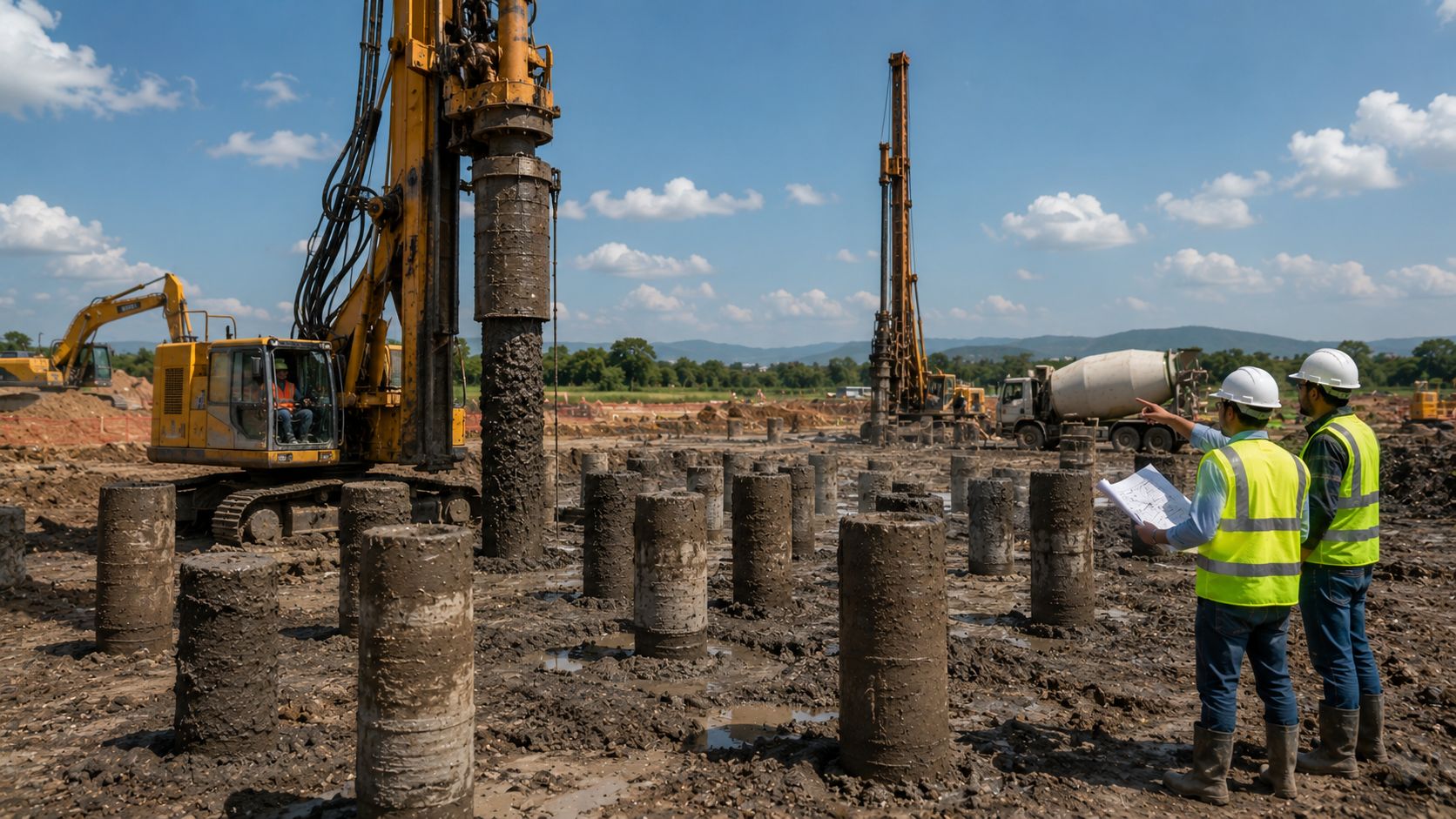
- Foundation risk mitigation planning
- Risk reporting & documentation simulation
Real‑World Case Studies
- Landslide risk assessment for infrastructure
- Liquefaction risk in seismic zones
- Foundation failure due to soil variability
- Pipeline geohazard risk evaluation
- Tank settlement & differential movement risk
Industry Relevance
This course is essential for:
- Geotechnical & civil engineers
- Structural & foundation designers
- QA/QC & site investigation teams
- Construction & project engineers
- Consultants & geohazard specialists
Future Skills Alignment
- Advanced geotechnical risk modeling
- Digital geohazard mapping & monitoring
- Risk‑based foundation engineering
- Climate‑related geotechnical risk
- Pathway to geotechnical certifications
Objectives
By the end of this training course, participants will be able to:
- Identify geotechnical hazards & uncertainties
- Perform probability & consequence analysis
- Apply ISO 31000 & sector‑specific frameworks
- Conduct geohazard risk modeling
- Prepare geotechnical risk assessment reports
- Support safe & economical engineering decisions
Training Methodology
- Instructor‑led technical sessions
- Hands‑on risk modeling exercises
- Case study analysis
- Scenario‑based evaluation
- Daily quizzes & competency checks
Organisational Impact
- Improved geotechnical reliability & safety
- Reduced failures & construction delays
- Enhanced compliance with global standards
- Stronger risk governance & oversight
- Better documentation & traceability
Personal Impact
- Higher confidence in geotechnical risk analysis
- Improved diagnostic & interpretation skills
- Stronger understanding of geohazards
- Career advancement in geotechnical roles
- Eligibility for geotechnical certifications
Who Should Attend?
- Geotechnical & civil engineers
- QA/QC inspectors & site supervisors
- Construction managers & consultants
- Material testing & lab technicians
- Anyone involved in geotechnical risk evaluation
Certificates
Upon successful completion, participants receive a GTMCS Certificate of Completion.
Curriculum
- 5 Sections
- 20 Lessons
- 10 Weeks
- Day 1 – Geotechnical Risk Fundamentals4
- Day 2 – Probability & Consequence Analysis4
- Day 3 – Geohazard Risk Assessment4
- Day 4 – Mitigation & Monitoring4
- Day 5 – Reporting & Final Assessment4